
+86-13940863303
-


-
-


-


-
whatsapp

-


WeChat



About the company
Dalian Yushi Wooden Products Co., Ltd. was officially registered on July 31, 1996. The production site is located in the Jinpu District of Dalian New Town, in the Sanshilipu Street Committee, in the northeast timber industry belt area, near the port, which provides pronounced advantages of foreign trade location. The plant occupies a modern industrial park with an area of 90,000 square meters. m, equipped with complete automated drying, sanding and painting lines. There are more than 200 professional technical and foreign trade specialists on staff. With intelligent equipment, the annual flooring production capacity reaches 3 million square meters, which ensures the stable supply of large overseas orders, and also supports small batch prototype production and full container batch export.
Team strength
The company has formed four specialized teams covering the entire chain from development to overseas delivery
All divisions interact with each other, providing flexible production of both prototypes in small batches and large project orders.
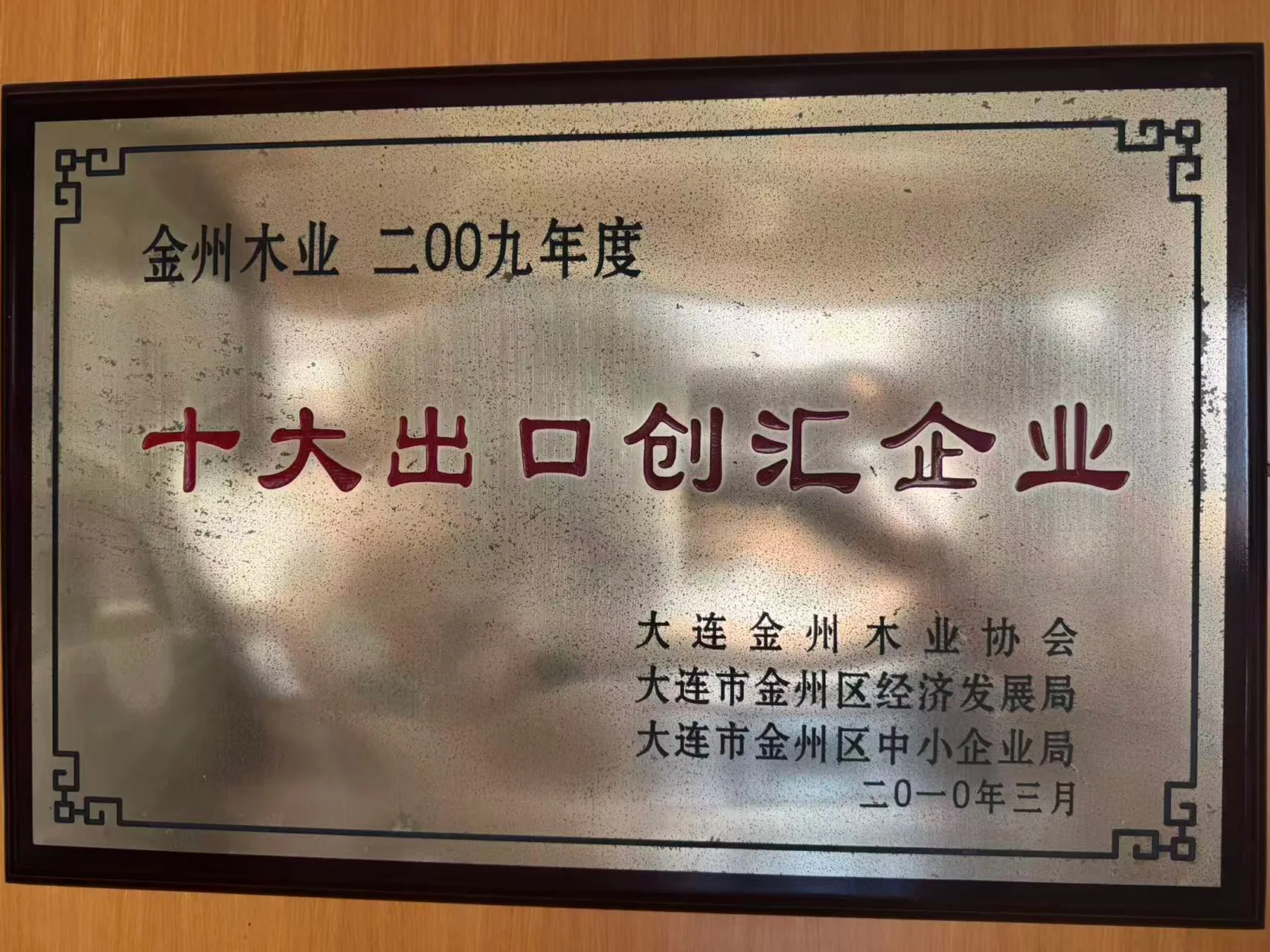
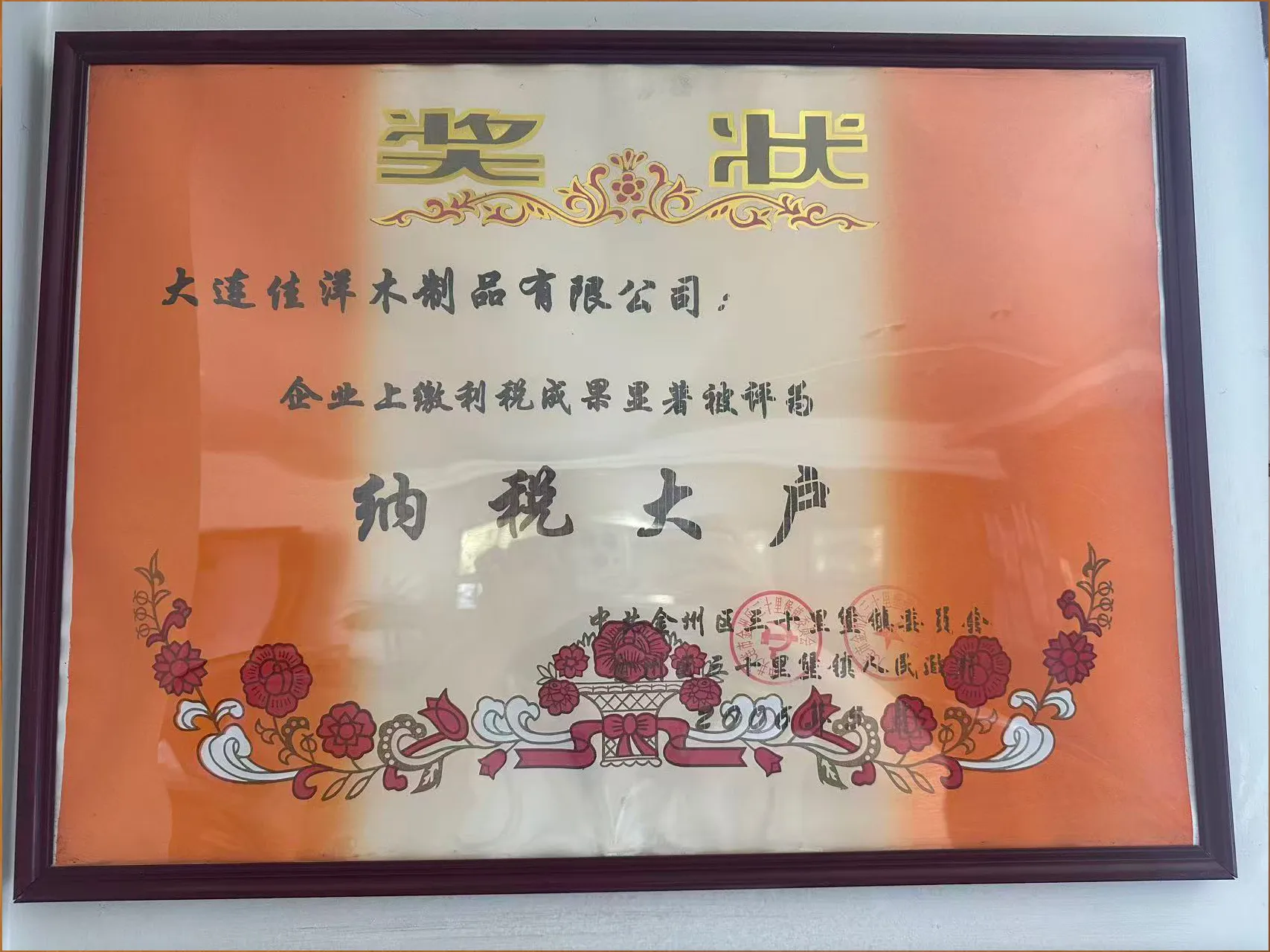
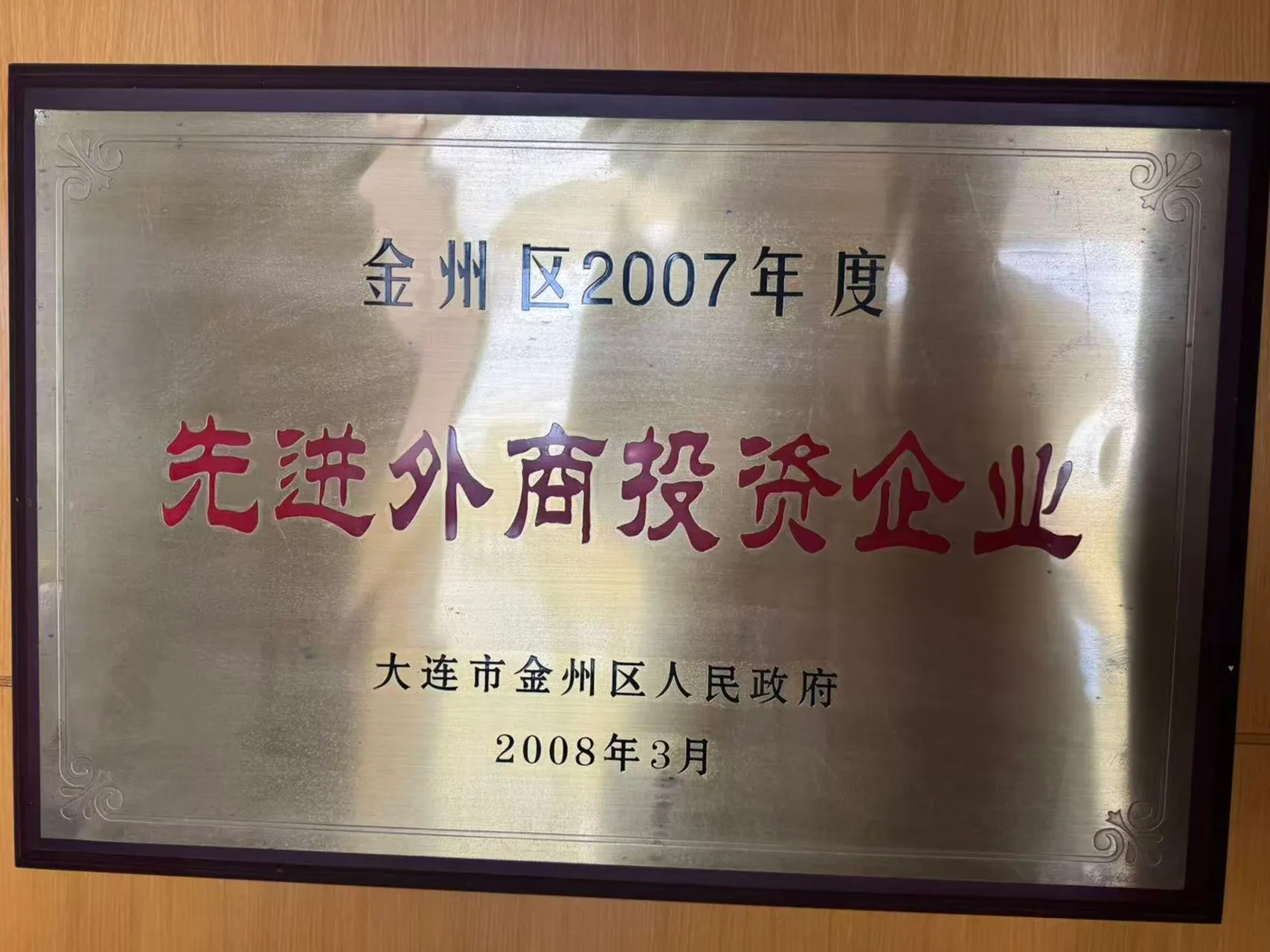
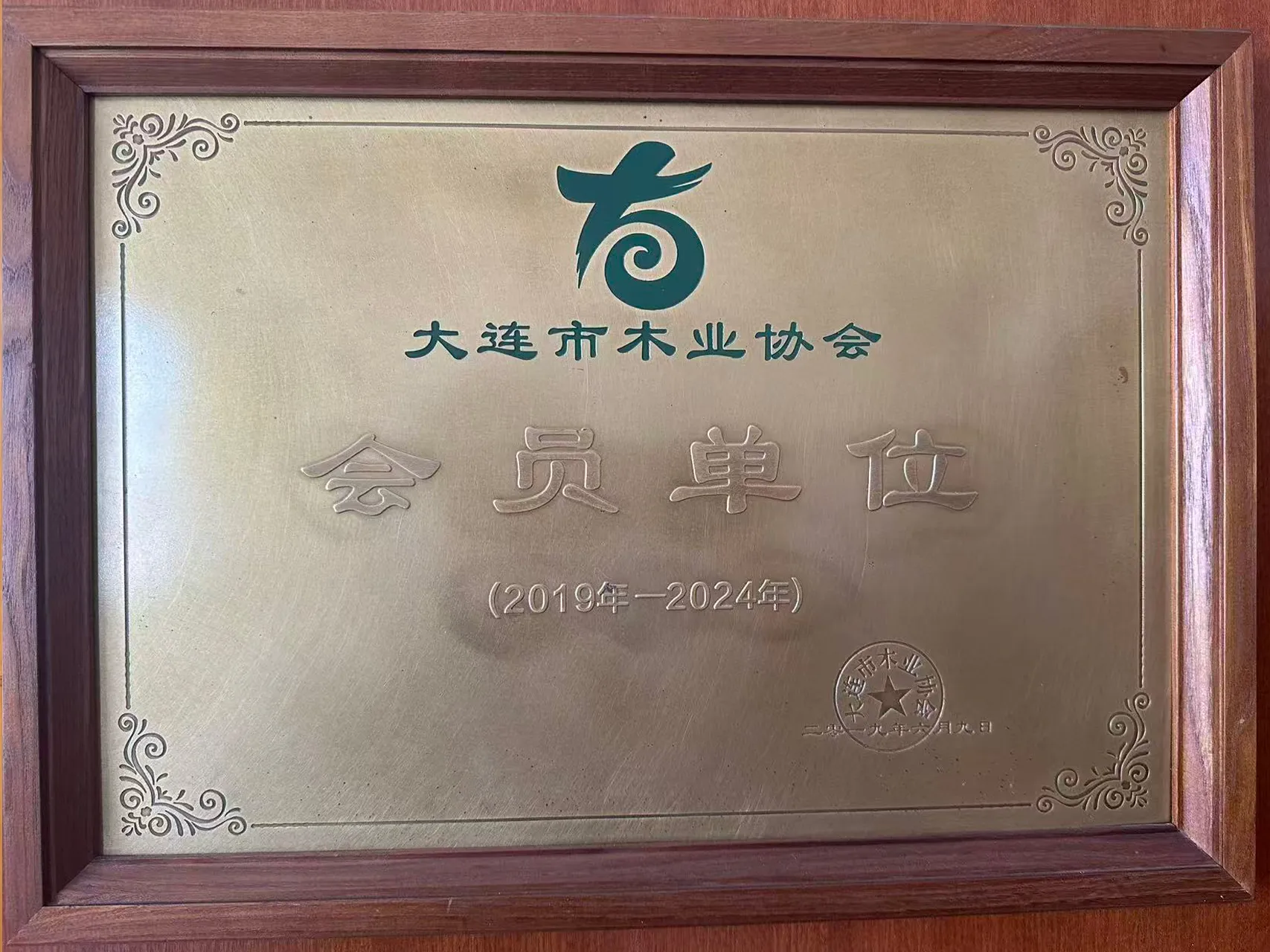
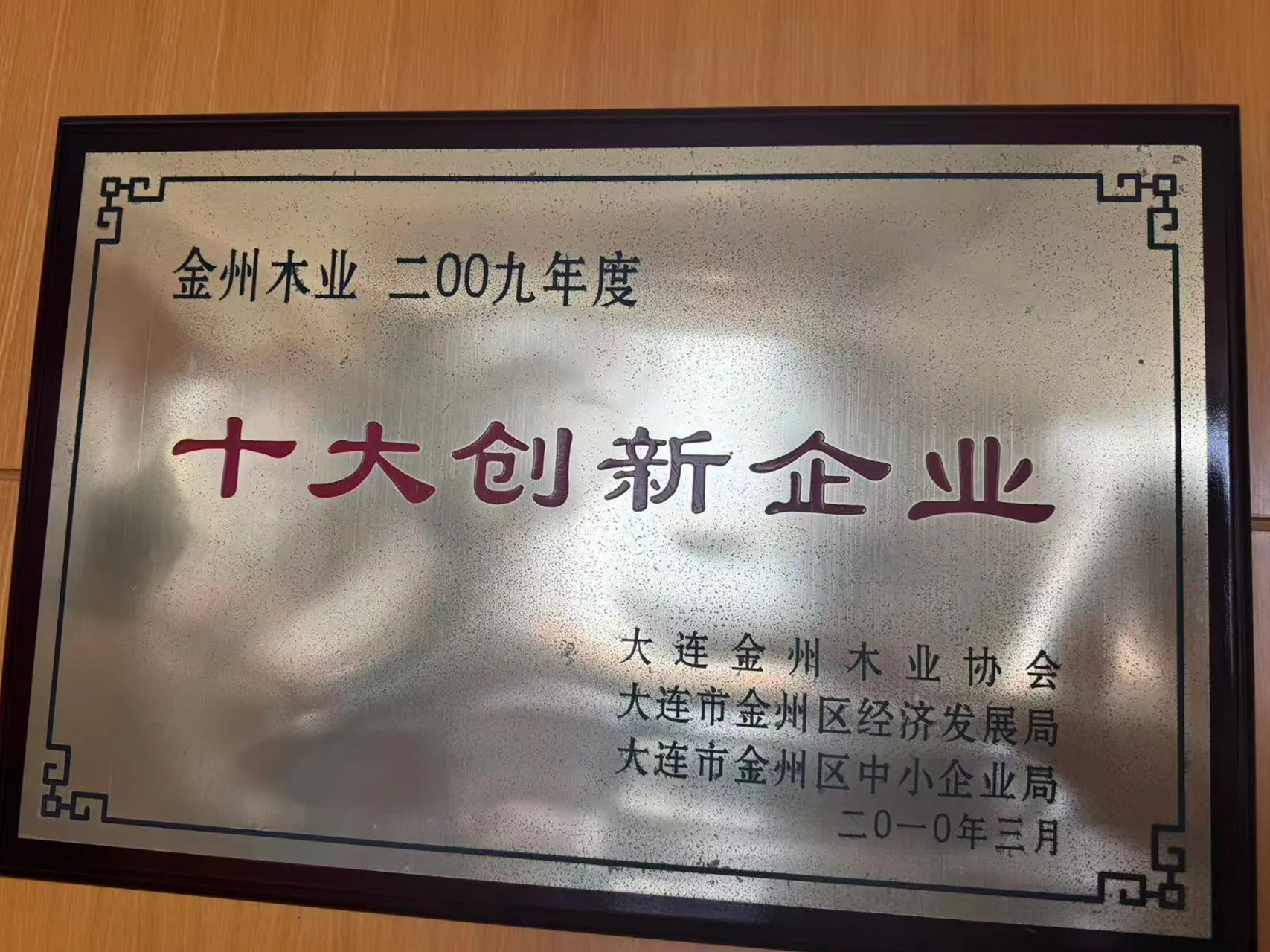
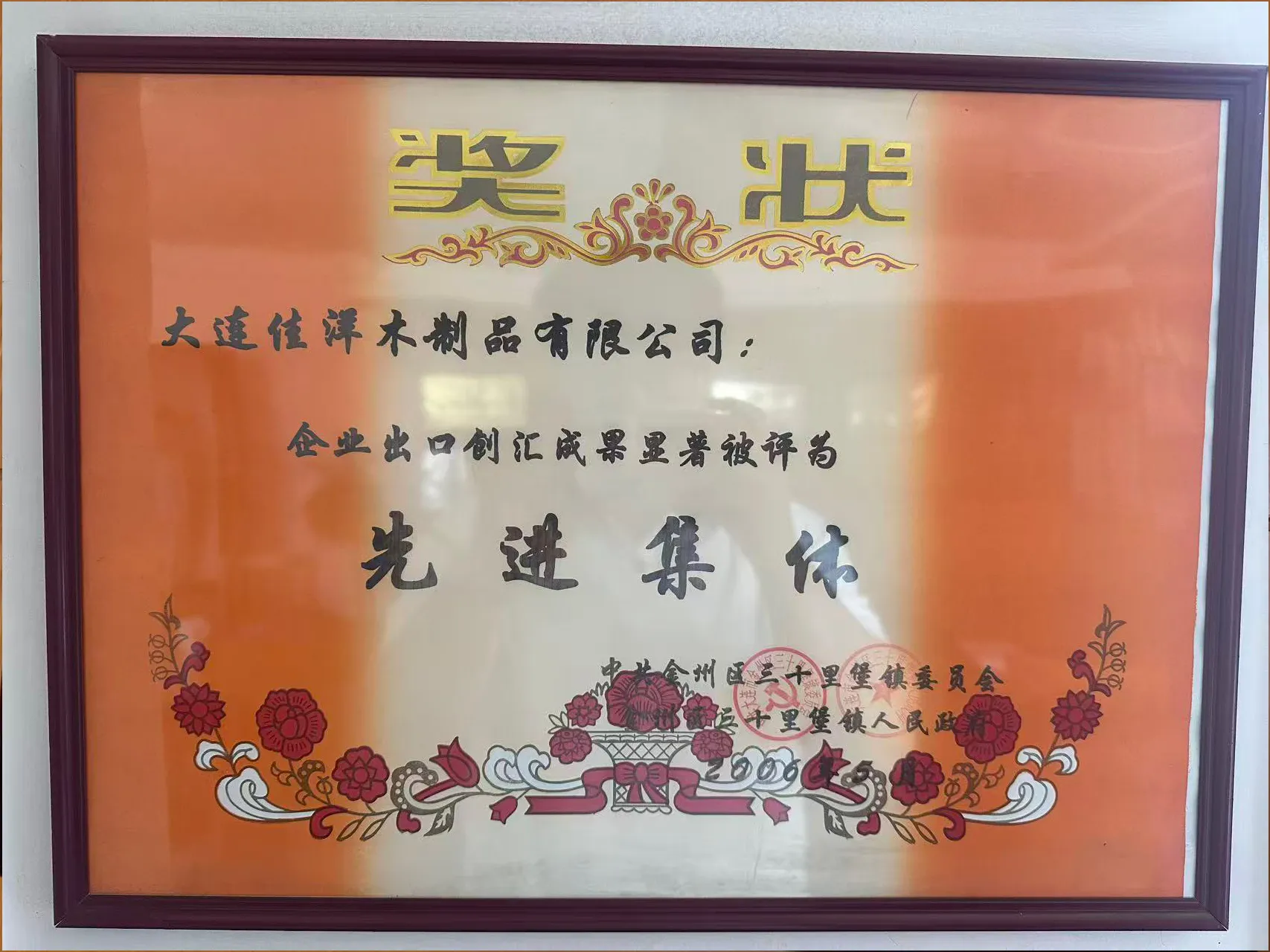
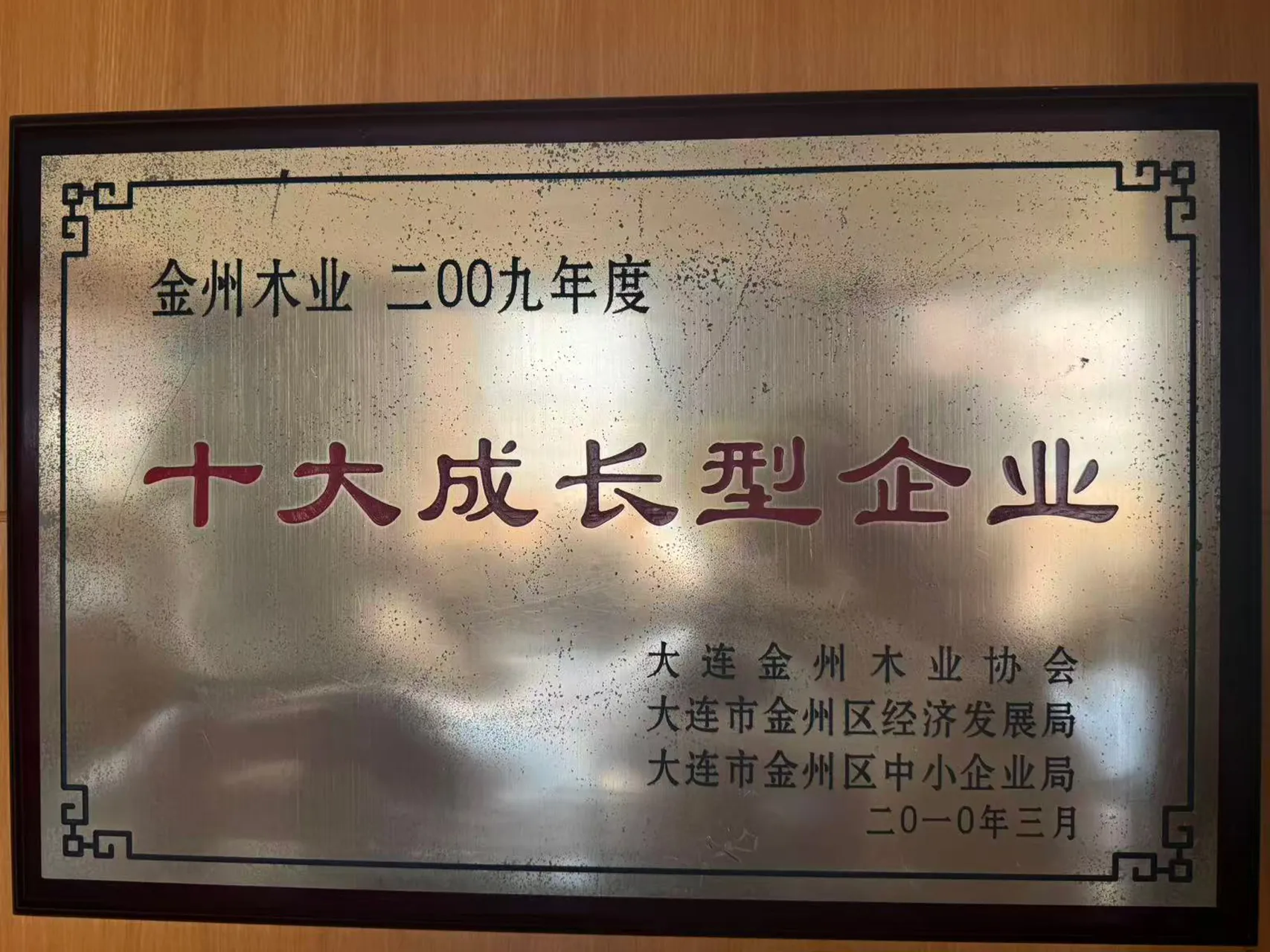
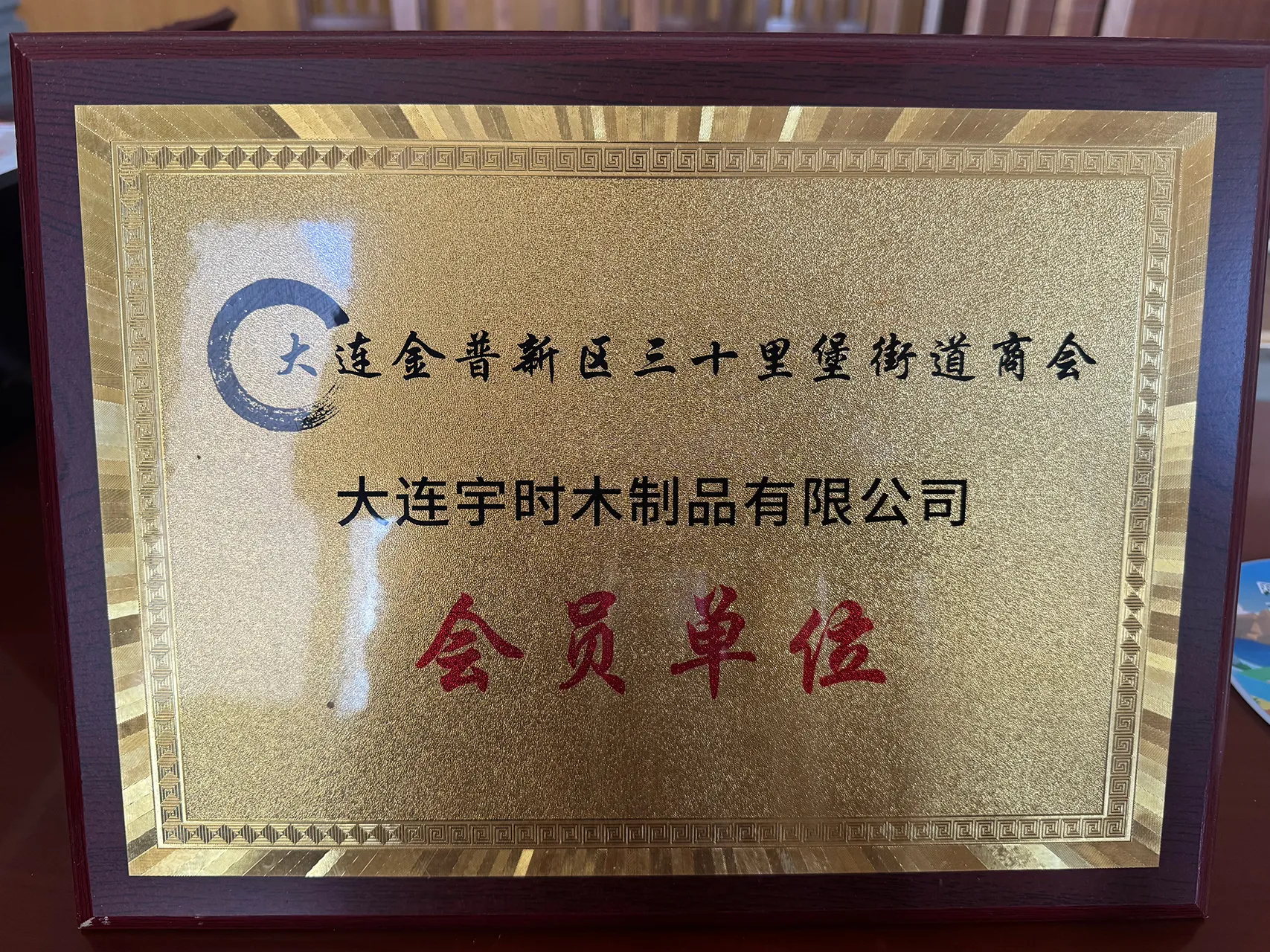
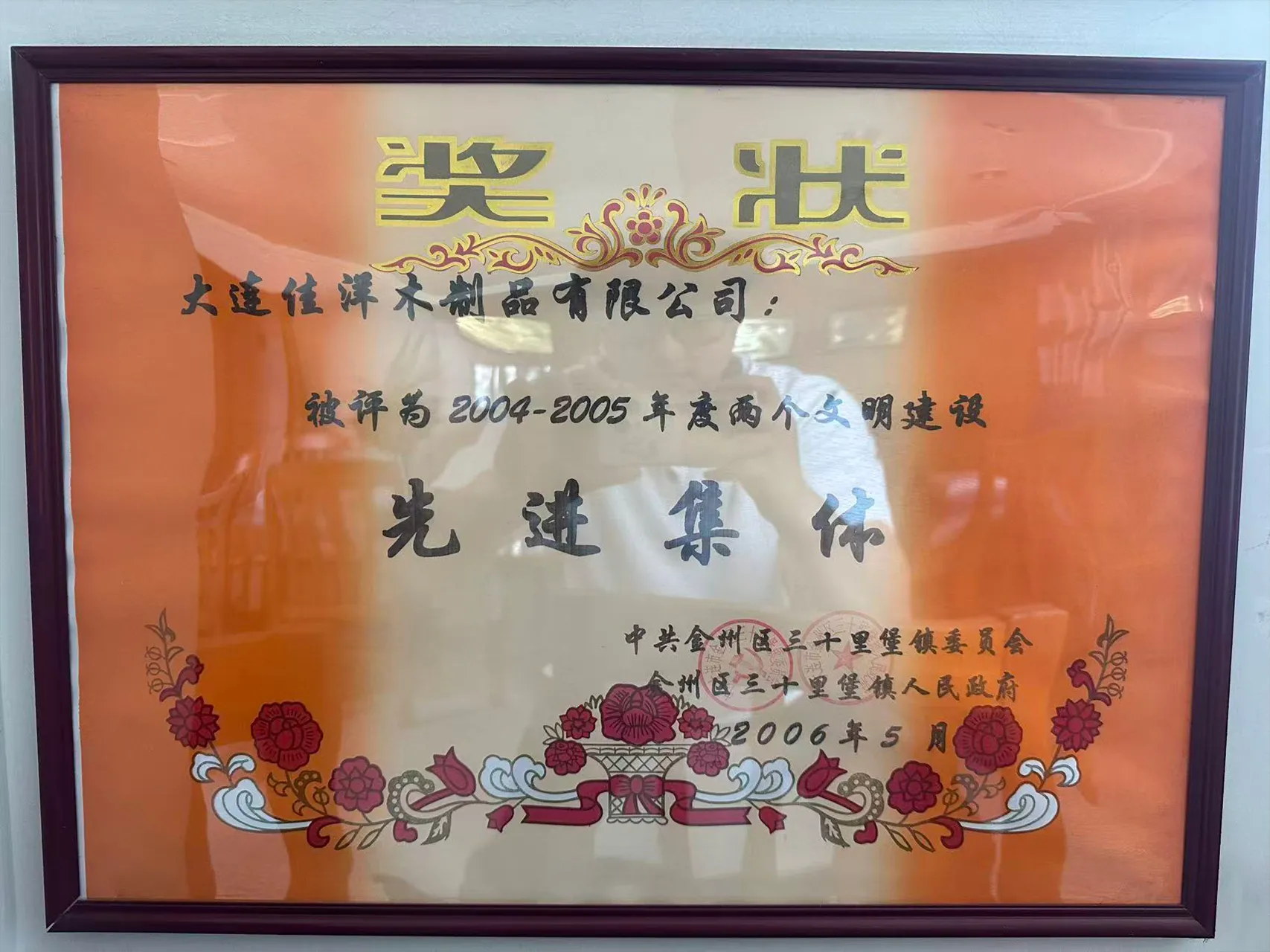
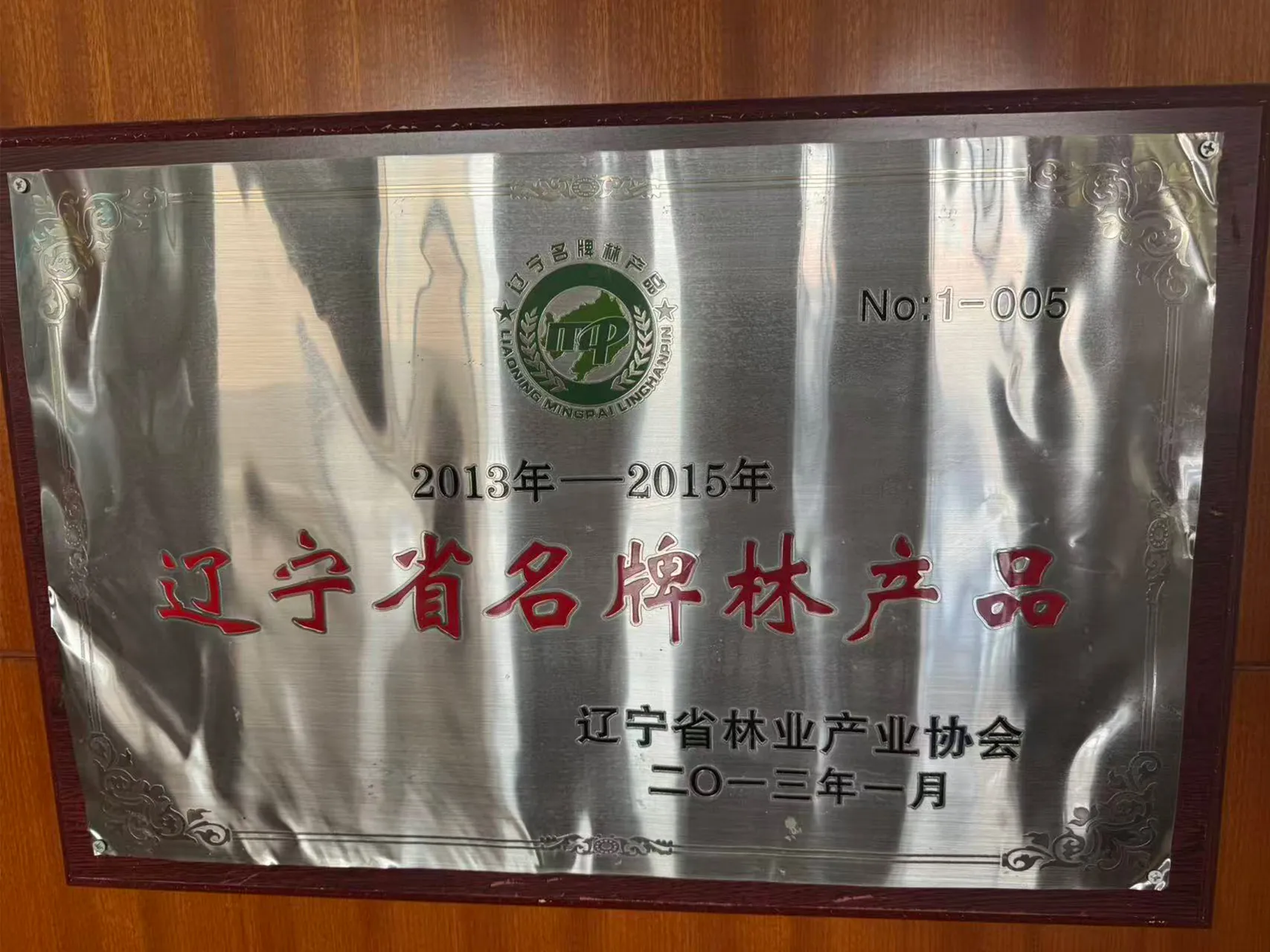
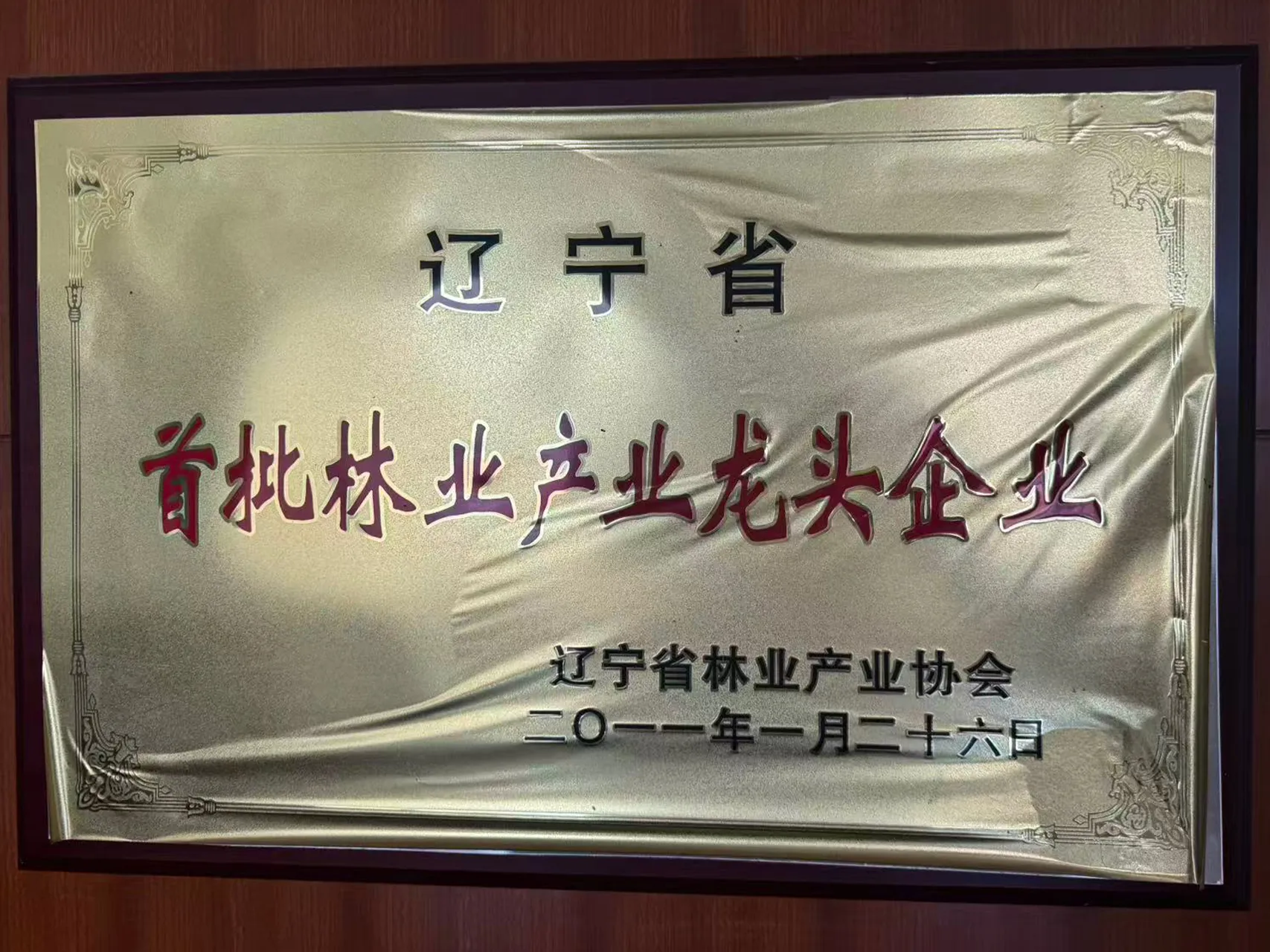
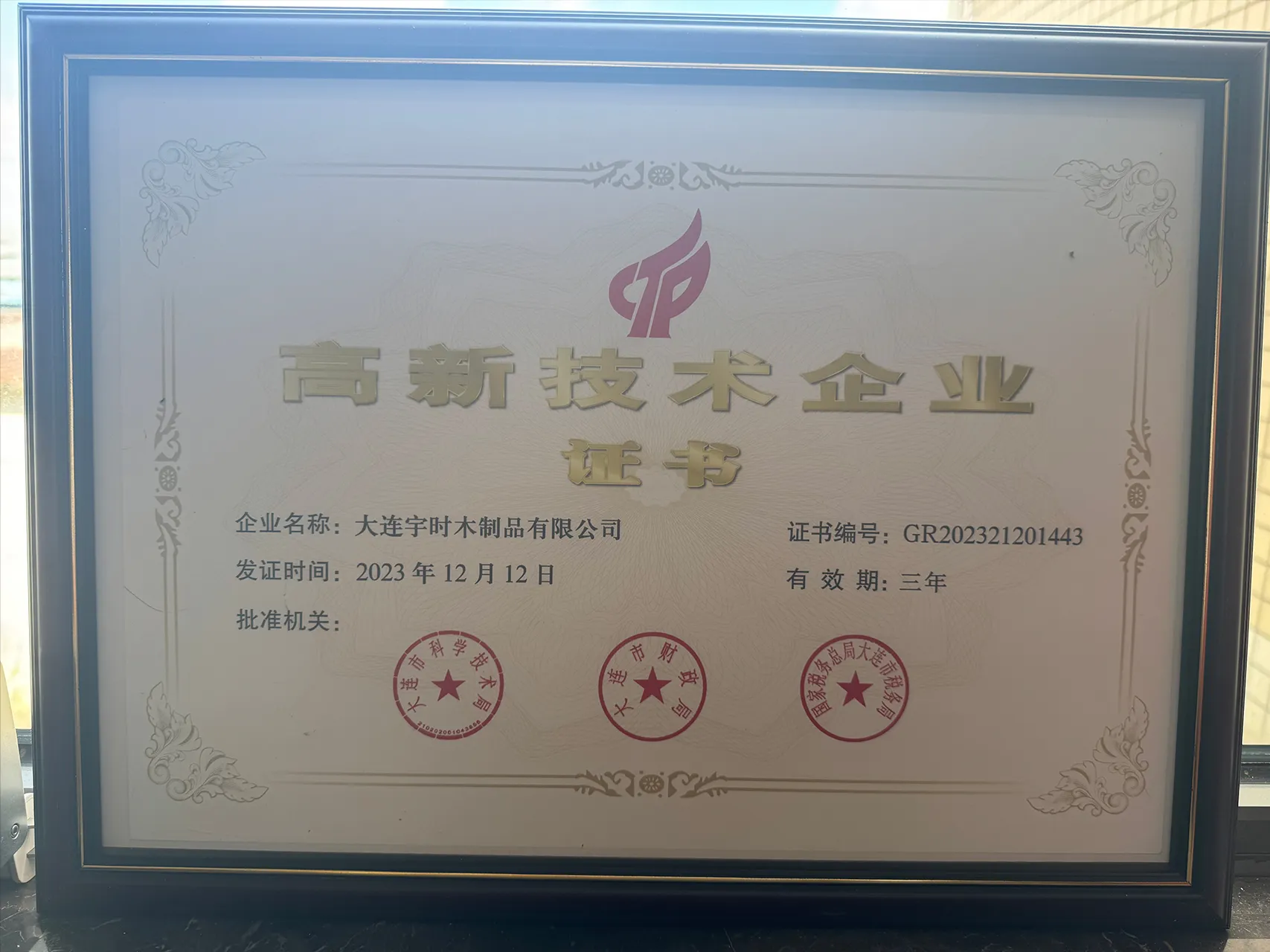
Certificate